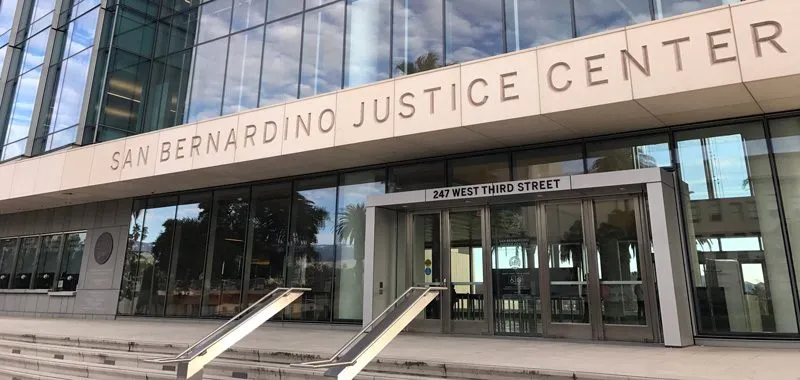
I wanted to share my recent experience with jury duty. As you know, jury duty is an important public service a citizen can provide. I initially had a different point of view whenever I get a summon. But luckily my current employer pays me to go to jury duty and my view has changed.
The Letter
It starts with a summon letter that notifies you to appear in court at a later. It’s a far enough date in the future to allow you to make any adjustments necessary. You are also given an opportunity to provide reasoning to be excused. You can also submit a request to be summoned at a later date.
Preparing
If you are going, this is a good time to get familiar with your employer’s policy regarding jury duty. Find out if they will pay and for how many days. Notify your supervisor and colleagues about your future absences. Look in your calendar to see if there are any conflicts with meetings and deadlines. Don’t forget, you can request to postpone and be summoned at a later time.
The night before
On your summon letter there may be a number to call the night before your court date. This will let you know whether or not there are any last-minute changes. I’ve had instances where I no longer had to show up but they inform you that you may still be summoned at a later date. If no changes occur, then plan on showing up the next day.
Be Early
Try to get there early. If you’re unfamiliar with the courthouse, you may have difficulties finding the area to park. Not only that but the location where you ended up parking could be a few blocks away. The courthouse where I served my jury duty, there was a parking lot on the same property. But we were informed that it had a maximum of 3 hours. They WILL give you a ticket. Also, just like with many federal buildings, security is tight. Expect to go through metal detectors. I had to remove my belt, keys, wallet and juror badge. This takes time, specially those who brought small children (diaper bags and strollers need to be checked). So just expect a delay there as well.
Jury Assembly Room
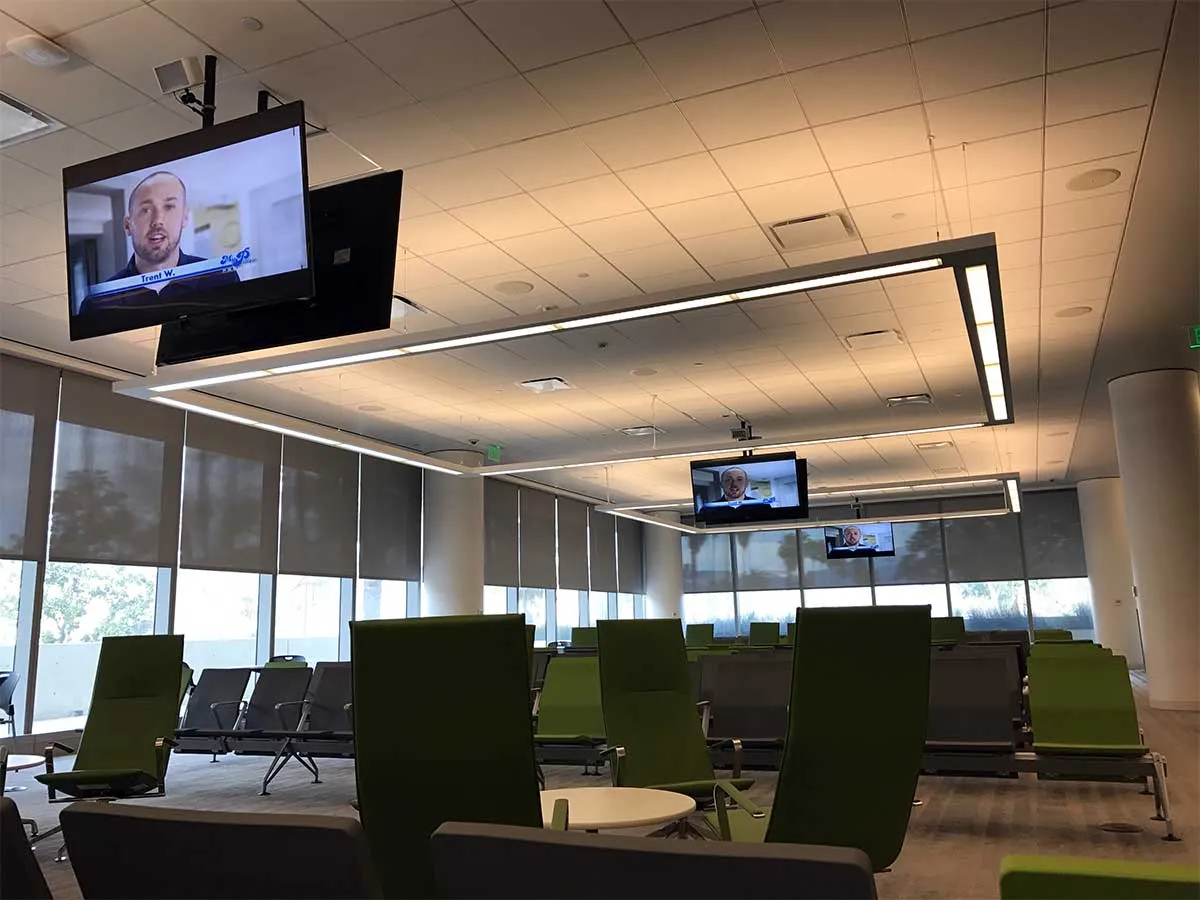
Jury Assembly Room
Once you clear the security checkpoint, you will be headed to the jury assembly room where you will check in. Again, there will be a line here so arriving early is a good idea. You will only need to report here once. You will show them your jury summon letter so make sure you bring it. Then you wait. After everyone has checked in, they will play a video that explains what jury duty is and the general expectations. The video I saw was a few years old. I think the production date was are early 2000s, maybe 2002. After the video, they will display everyone’s name and what group they belong to so pay attention. Then you wait some more. Over the intercom, they will announce groups that may be excused and no longer have to serve. The group(s) that are not excused will need to report to the courtroom(s).
In the Court Room
So I took the elevator to the 7th floor. Here is where the court room I was assigned to. We gather outside and waited. The bailiff brings us in. Inside, the attorneys, plaintiff, defendant, clerk, court reporter await us. Once we all settle in, the judge comes in. The judge introduces himself and informs us that this is a civil case and not a criminal one. He explains that one of the differences between the two is that in a criminal case, the prosecutor bears the burden of proof (beyond a reasonable doubt) and that all 12 jurors must agree on the verdict. Where as in a civil case, the standard of proof is lower – more likely to be true than not true. This is where it gets a bit confusing but as you go forward, it gets a little clearer. Majority of the jurors have to agree, which is 9 of 12 jurors rather than all 12.
Jury Selection Begins
The judge starts to go through a list of circumstances. If any of it applies, you will need to inform the court room. These circumstances include medical conditions, medical appointments, if a procedure will be done during the trial and recovery will not allow you to serve, last-minute plans that can’t be scheduled, transportation issues, etc. It is similar to what is listed on the summon letter but they have to go through it again, this time in front of the courtroom. The judge will ask a few more questions and he will decide whether the reason(s) is excusable.
After he goes through his list and everyone who needed to provide their excuse has finished, we go on a recess. During the recess, he decides from those who shared additional circumstances whether or not they will be excused. We go back in the court room after 20 minutes. He announces those who are excused.
Jury Box Interviews
The people who are left will now be randomly called in the jury box. The clerk selects 12 random people. They sit down in the jury box and is greeted with about 12 questions. Here are some of the questions I remember.
- What is your work?
- Highest level of education completed.
- Do you know any one in law enforcement?
- Do you any of the attorneys or anyone involved in the case?
- Will you fair and impartial?
- A few other ones that’s somewhat related to the case.
The judge then goes to each of the 12, have them answer the questions, then he asks a few more depending on the answer given. Once the 12 are finished, the attorneys take turn asking their questions. After their questions, the attorneys take turn excusing jurors. Each time a juror is excused, the clerk randomly selects a replacement and the process starts over until both attorneys are satisfied.
Alternate Jurors
Once they settle on the 12 jurors, they select 2 more for alternates. I was called up as the first alternate. The process once again starts over and repeated. I was picked as an alternate. The judge then talks to the alternates (myself and another gentleman) and he explains the same responsibilities as a regular juror except that there’s a huge chance that we won’t be deliberating because we are just alternates. He asked if we were okay with it. I said yes.
This process has taken 3 days. We were finally ready to begin. We were given a pen, a steno pad, and a juror badge that we instructed to wear at all times in the courthouse. This is to ensure that attorneys, witnesses, and those involved in the case won’t mistakenly start talking to any of us – regardless of the topic. He explains that from far away, it doesn’t look right and may imply a certain unfairness to either party.
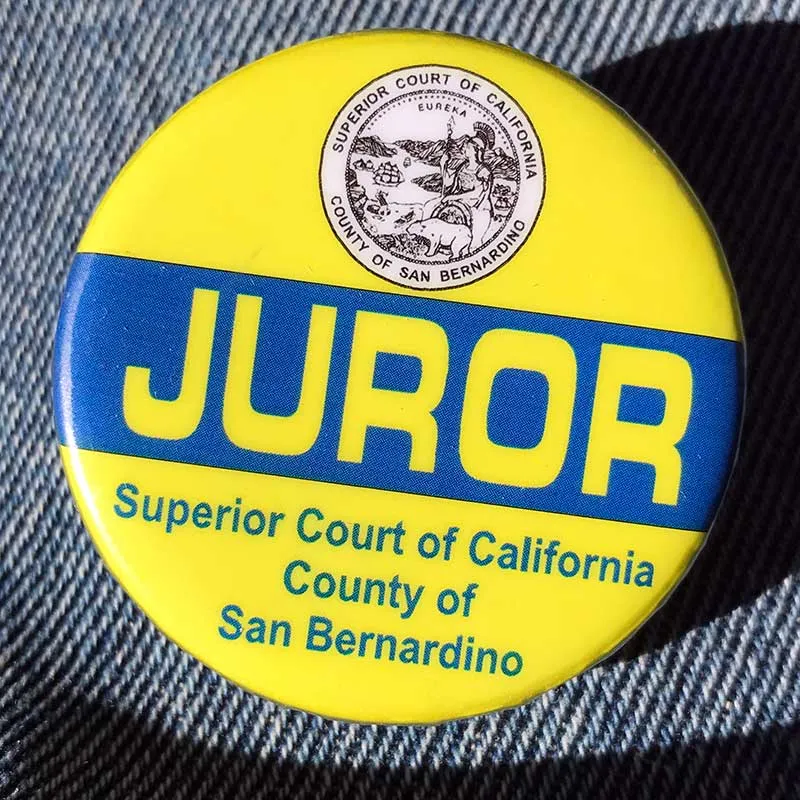
juror badge
Witnesses
The witnesses are now called in and asked questions. This is where things get interesting because up until this point, you don’t know anything except general information about the case. It gets exciting as well when the attorneys start objecting and the judge intervenes.
Deliberations
After a few days of witnesses and testimonies, both parties rest their case. The judge now instructs the jurors (except the alternates) on deliberations. We were excused, although I misunderstood and thought I had to stay until the deliberations were complete. So I hung out for 2 hours. My day was over anyway so I stayed because I was curious of the outcome. The jurors came back with a verdict and it was not guilty. I was leaning that direction anyway because the plaintiff’s attorneys failed to prove their case with the evidence they showed.
Conclusion
This was a cool experience. It was the farthest I’ve ever gotten in jury duty. Before, I just got as far as the court room and was not picked. Now, I got all the way as alternate juror. Maybe next time I’ll be an actual juror. I don’t mind jury duty and I feel proud to serve, even as an alternate.
Leave a comment
Comments come straight to me rather than posting publicly, and I read every one. Your email is never published.