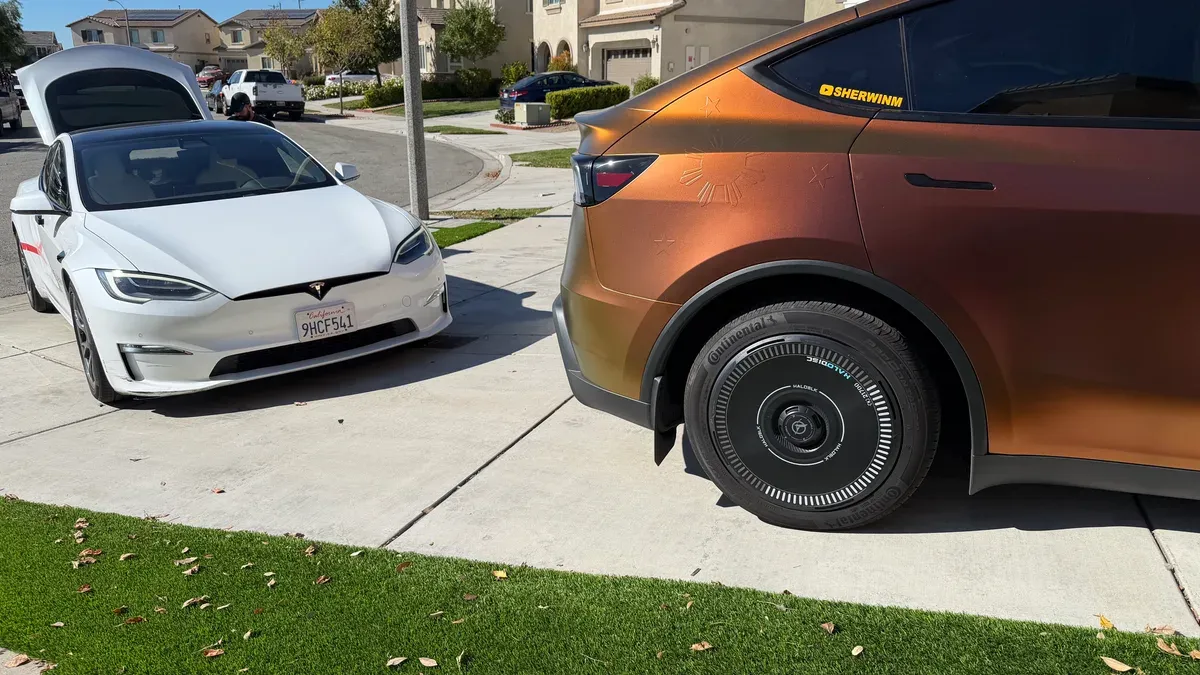
The driver rear window on the Model Y Juniper started acting up before the car even went in for the wrap. It would refuse to roll all the way up and throw an obstacle warning like something was stuck in the track. By the time the wrap was done, the door itself had stopped opening too. I tried the standard reset: hold the window down for 15 seconds, then up for 15 seconds. It worked for a few days, then came back.
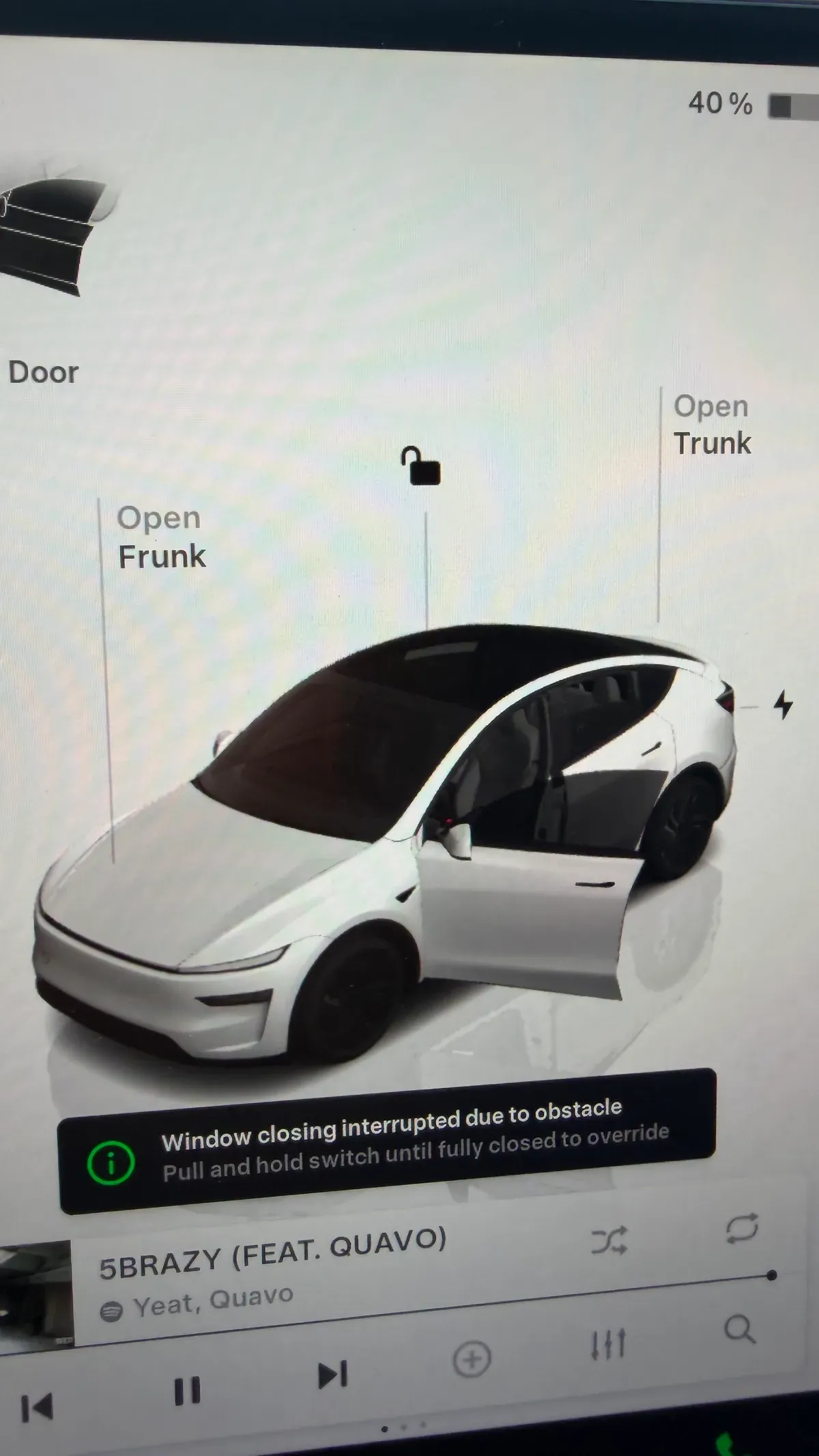
At the wrap shop, one of the guys recalibrated the window through maintenance mode. Took about 20 minutes and seemed fine. Then the door stopped opening entirely. Austin, who did the wrap, figured out he could get it working again by holding the door handle in the open position for 10 to 15 seconds. That worked too, for a few days.
At that point I just scheduled service and left it alone. I didn’t want to reset anything before the technician arrived, so they could see the problem as-is. The emergency interior release still works, so it’s driveable. Just not ideal.
What Tesla Said About the Wrap and Warranty
Before getting into the service story, I stopped by Tesla to ask a direct question: does wrapping the car void the warranty? The answer was no. Wraps are fine. The one thing they told me not to do is tint the windows, because the issue is window-related and tinting could complicate the warranty claim. So the windows are staying clear until this gets resolved.
The Appointment That Wasn’t Quite an Appointment
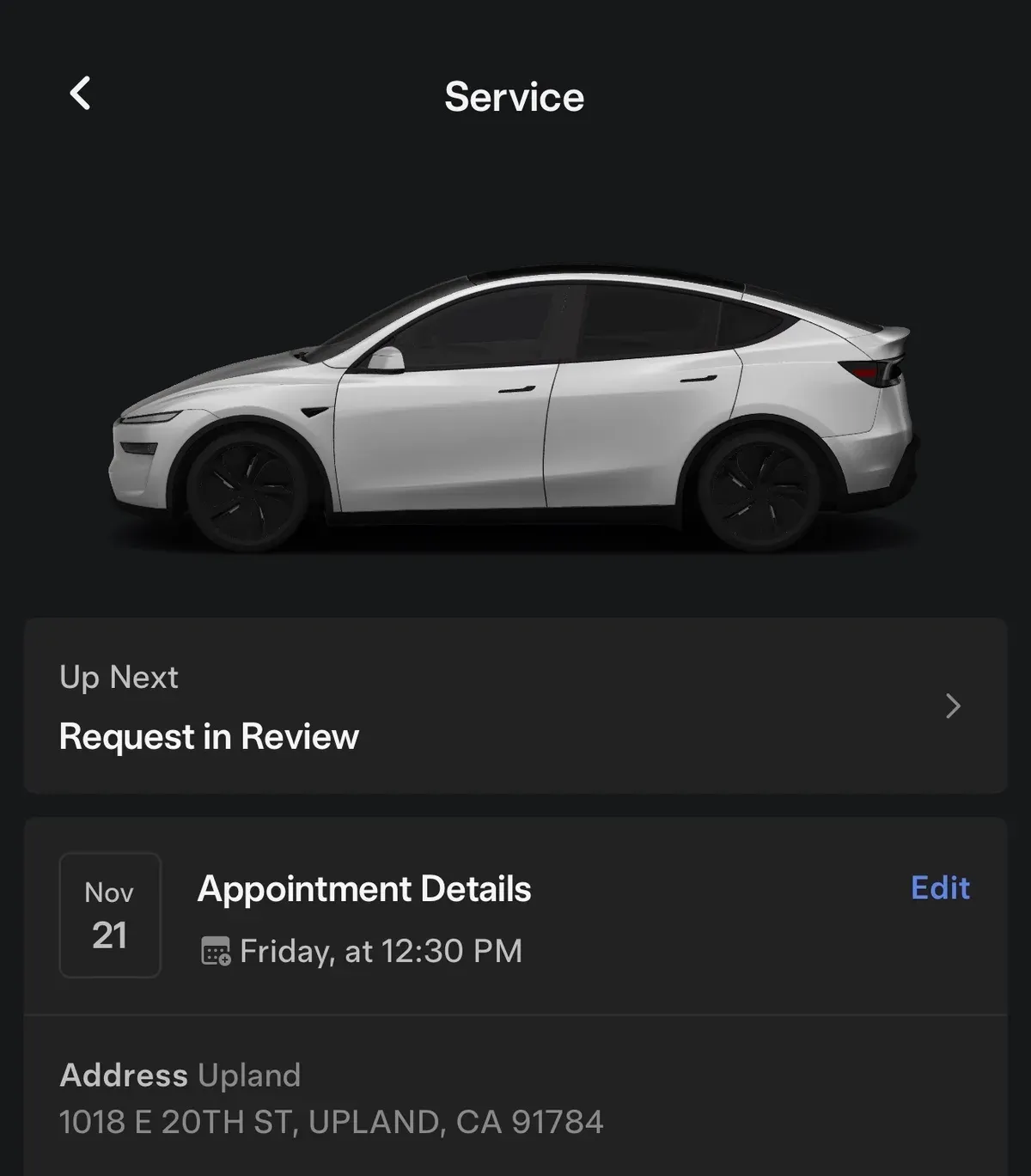
The original window was 8am to noon. Early that morning I got a notification saying some parts hadn’t arrived, so they were rescheduling the actual repair. But a technician would still come out for diagnostics and troubleshooting.
This isn’t the first time this has happened with a Tesla service appointment. Parts don’t show up, or they arrive damaged. It’s frustrating, but at this point I’ve learned to expect it. What I will say is that the diagnostic visit still turned out to be useful.
What the Technician Found
The technician pulled up the service logs and found something unexpected: the system was logging collision-related faults. I haven’t been in an accident, so that flagged immediately.
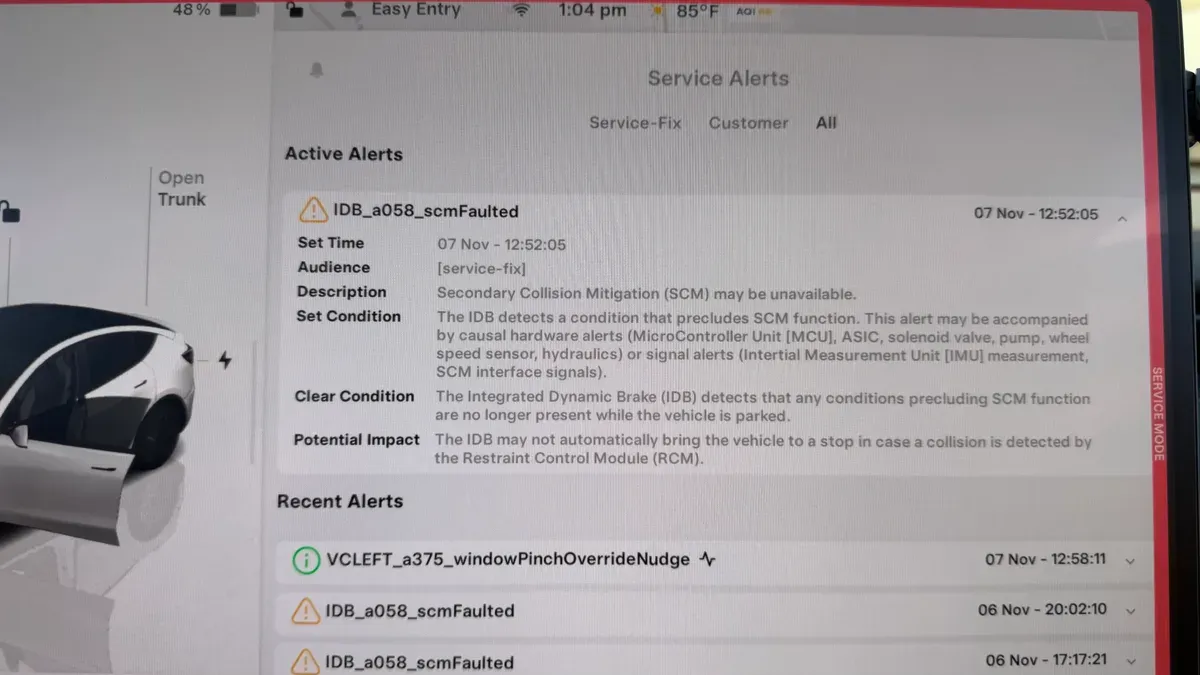
That led him to the door itself. He started wiggling the harness connector near the door and something latched or unlatched, and he was able to get the door open. The connector was loose. Because it was loose, the car thought the door was open all the time. No door-open warning on the dash while driving, because the harness and sensors weren’t communicating properly. But internally the car treated it as open, which meant the window wouldn’t move and the latch wouldn’t release.
The window regulator that had been pre-ordered based on the original remote diagnosis? Raul said replacing it probably wouldn’t fix anything. The real issue is the wire harness. He popped the connector out easily, which suggests a broken clip or a defect at the factory level. The technician mentioned he’d only seen this once before, on a newer Model S. He thinks it left the factory this way.
Where Things Stand
The car is driveable. Anyone sitting in that rear seat needs to use the emergency release to get out, and they have to be careful closing the door because the window doesn’t drop automatically. If someone slams it, the glass is going to hit the trim. Not a good situation.
The parts that were originally ordered are almost certainly wrong now. A new appointment is needed so the service center can do further diagnostics, confirm the harness is the issue, order the right parts, and actually do the repair. That appointment is still two weeks out, which I’m pushing back on.
The full resolution is in Part 2: why Tesla replaced my Model Y Juniper door harness.
If you’ve dealt with a similar door or window issue on a Juniper, let me know in the comments what it turned out to be.
Leave a comment
Comments come straight to me rather than posting publicly, and I read every one. Your email is never published.